
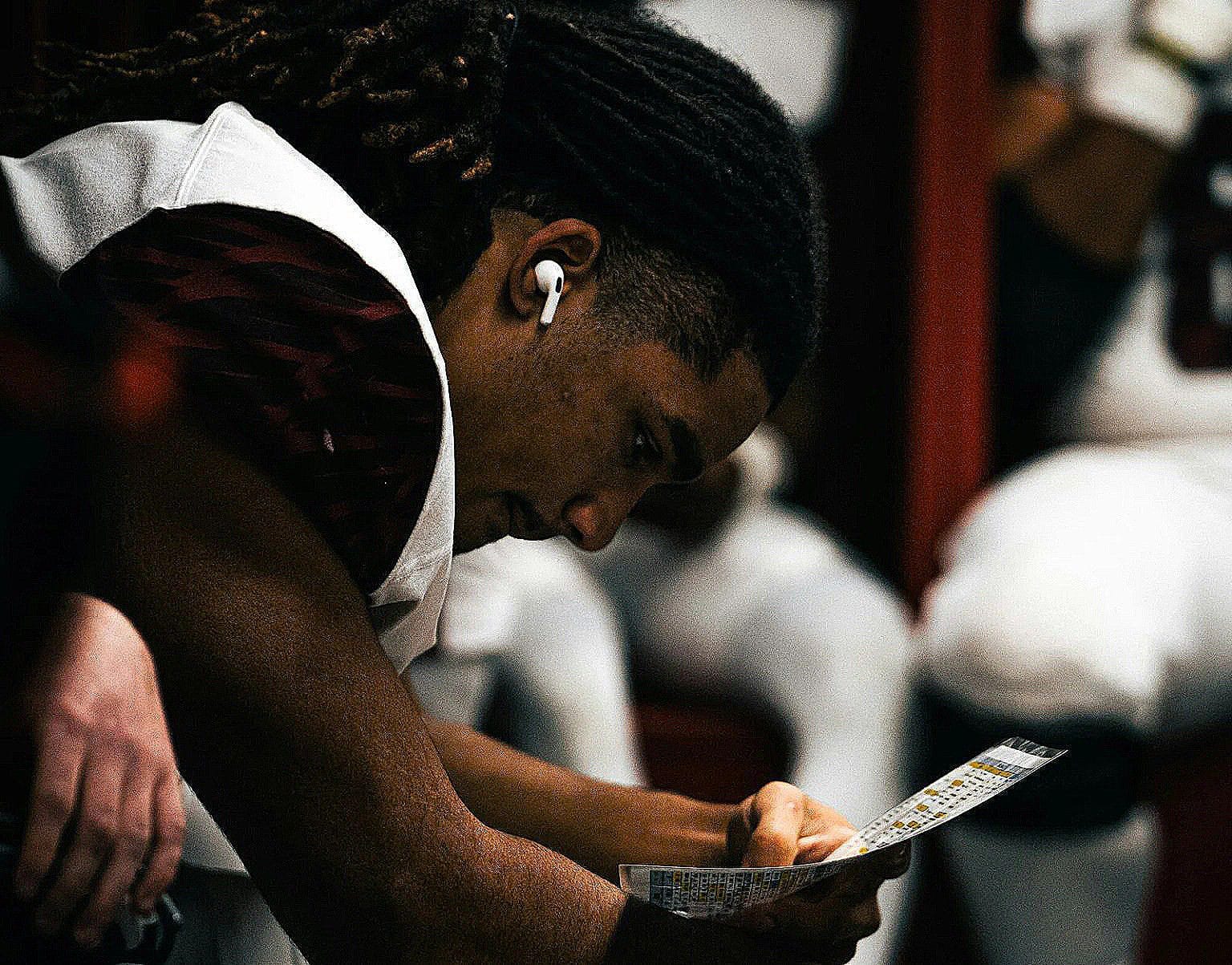
The Rise of Quinn Ewers: Talent and Expectations
Quinn Ewers’ journey within the realm of football exemplifies the trajectory of a high school prodigy making a formidable transition to college-level athletics. Initially gaining roots in Texas, Ewers made headlines as a quarterback with extraordinary skills and a promising future. His exceptional performance at Southlake Carroll High School culminated in numerous accolades and set high expectations for his collegiate entrance.
Ewers distinguished himself with a remarkable arm strength, exceptional decision-making, and an ability to execute plays under pressure. Such talent naturally garnered attention from elite college programs, culminating in a commitment to Ohio State University, which ignited discussions around his potential impact on college football. The accolades continued to roll in, solidifying his position as one of the top recruits in the nation. By the time he stepped onto a collegiate field, the pressures of being a highly-rated recruit were palpable, with analysts and fans eagerly anticipating his performance.
Upon his arrival at Ohio State, the weight of expectations loomed heavily, not just for Ewers but also for the institution and its football program. His talent and skills had already raised the bar, making him a focal point in shaping the team’s offensive strategy. Comparisons were drawn to established quarterbacks, creating a challenge for Ewers to navigate amidst heightened scrutiny. The broader landscape of college football felt the ripple effects of Ewers’ unprecedented hype, as his performance would influence recruiting dynamics and team strategies across various programs.
In a competitive environment, Quinn Ewers’ impact was significant, both for his team and the college football scene as a whole. His journey signifies more than just individual talent; it underscores the intense pressures and expectations that accompany the rise of a top recruit navigating the complexities of college athletics.
Tua Tagovailoa’s Journey: From Rookie to Beloved Starter
Tua Tagovailoa’s evolution from a college standout to an NFL quarterback has been nothing short of remarkable. After a stellar college career at the University of Alabama, where he showcased extraordinary talent and leadership, Tagovailoa entered the NFL Draft and was selected as the fifth overall pick by the Miami Dolphins in 2020. His entry into the league heralded high expectations, given his impressive college statistics and the potential he displayed leading Alabama to a national championship.
However, the journey has not been without its challenges. Injuries have plagued Tagovailoa early in his professional career, most notably a significant hip injury sustained during his final season in college, which raised concerns about his durability in the NFL. Despite these hurdles, Tagovailoa’s resilience shone through as he adapted to the professional game, learning to balance his aggressive play style with more cautious decision-making to protect himself from further injuries.
In terms of performance metrics, Tagovailoa has seen notable fluctuations since becoming a starter. Early in his career, his completion percentage hovered around the mid-60% range, a strong figure reflecting his accuracy, especially on short to intermediate throws. Over time, he has worked on extending the field, gradually increasing his average yards per attempt, indicating growth in his ability to stretch defenses. Tua’s playing style has also evolved; he has become known for his quick release and ability to navigate the pocket effectively, avoiding sacks while finding openings in defenses. His leadership skills and ability to rally his teammates have further cemented his status as a beloved figure among fans and within the Dolphins organization.
As he continues to sharpen his skills and gain experience, Tua Tagovailoa exemplifies the qualities of a significant figure in the NFL, representing not just talent, but also determination and the spirit of resilience.
Contract Considerations: Evaluating Tua’s Deal
Tua Tagovailoa, the talented quarterback for the Miami Dolphins, has been at the center of discussions regarding player contracts in the NFL. His current contract plays a crucial role in understanding both his financial standing and the broader implications for his career trajectory. Signed as a first-round draft pick in 2020, Tagovailoa’s deal includes a four-year rookie contract valued at approximately $30 million, with a signing bonus that significantly impacted the Dolphins’ salary cap strategy.
The financial elements of Tagovailoa’s contract are particularly noteworthy given the evolving market trends within the NFL. As teams increasingly prioritize quarterback performance and potential franchise values, Tagovailoa’s deal presents a dual-edged sword. While his initial contract terms reflect a standard rookie deal, subsequent performance and comparisons to other elite quarterbacks will dictate future negotiations. The rising salaries of quarterbacks can influence Tagovailoa’s outlook, especially as he showcases potential through stellar performances.
Moreover, his career performance thus far adds layers to the evaluation of his contract.Despite initial injury concerns, his resurgence on the field has demonstrated his value to the Dolphins, positioning him well for a lucrative deal in the future. Contracts for players in the NFL like Tagovailoa not only reflect individual talent but also encapsulate the dynamics between team strategies and player negotiations. As teams assess their financial commitments, the performance and health of players like him are paramount in shaping contract renewal discussions.
In the rapidly changing landscape of NFL contracts, Tua Tagovailoa’s situation exemplifies the intricate balance between an athlete’s value, their performance, and team financial strategies. This sets the stage for an engaging conversation about how contract negotiations evolve within the sphere of professional sports.
The Bench Decision: Analyzing Tua’s Current Status
The recent decision to bench Tua Tagovailoa has raised eyebrows across the football community, igniting discussions regarding team strategy and player performance. Factors contributing to this decision include not only Tua’s individual performance metrics but also broader team dynamics and aspirations. As a quarterback with significant potential, Tua has faced increasing pressure to produce results that reflect both his talent and the investment the Miami Dolphins have made in him.
Performance metrics reveal a mix of highs and lows for Tua this season. While his passing yards and touchdown-to-interception ratio indicate moments of brilliance, inconsistent play has plagued his outcomes, ultimately prompting the coaching staff to reconsider their game management approach. The decision to bench him in favor of other options signals a critical moment for Tua in his career, pushing him to reassess his gameplay, decision-making, and overall preparation.
The community’s reaction has been mixed, with some expressing support for the coaching decisions based on performance needs, while others question the potential long-term implications for Tua’s development. Given the competitive nature of the NFL, young quarterbacks like Tua and Quinn Ewers often find themselves under immense scrutiny, and a benching can either serve as a wake-up call or lead to a downturn in confidence and performance.
Looking ahead, Tua’s benching may be significant for both his career trajectory and the Dolphins’ overall strategy. With another quarterback taking the reins, the team will have to balance immediate winning needs with the importance of Tua’s growth as a future leader. As the situation unfolds, it remains critical to observe how well Tua can rebound and what this decision means for the trajectory of young quarterbacks navigating challenging environments.