
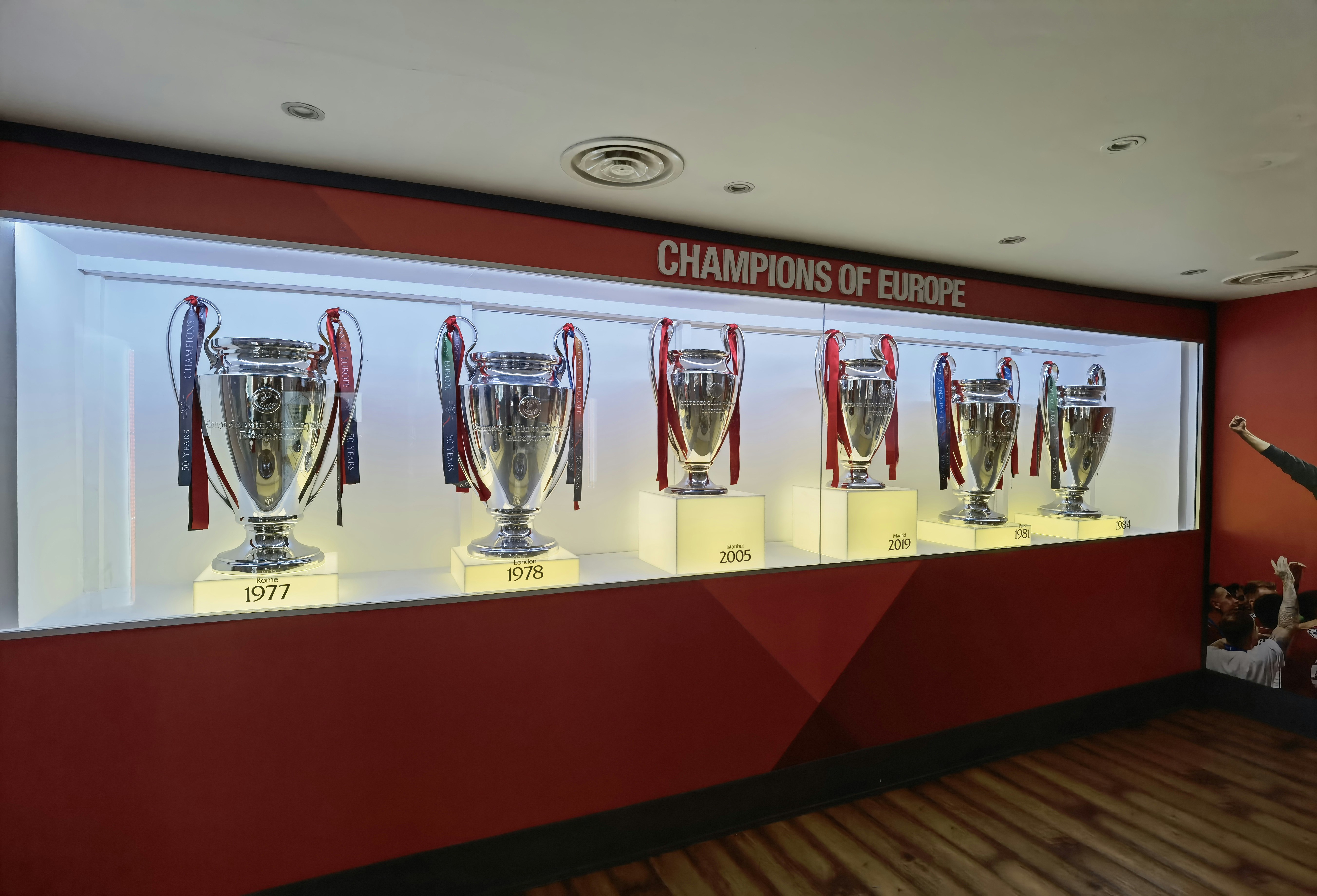
Overview of the Competition
The UEFA Champions League is a premier club competition, holding significant importance in the realm of European football. Initiated in 1955, it has developed into an iconic tournament where the best clubs from various European leagues compete for glory. The allure of the Champions League lies not only in its rich history but also in the prestigious title that comes with it, making it one of the most coveted trophies in club football.
The competition consists of several stages, beginning with a qualification round, which allows teams from lower-ranked leagues a chance to compete. This is followed by the group stage, where 32 teams are split into eight groups of four. Each team plays the others in their group twice, once at home and once away, accumulating points for wins and draws. The top two teams from each group advance to the knockout stage, which includes the Round of 16, quarter-finals, semi-finals, and ultimately the final.
Progressing through the various stages of the tournament requires not only skill and strategy but also depth in the squad, as the intensity of the matches increases. The knockout rounds are particularly thrilling, as teams face elimination, intensifying the stakes involved in each match. Given the global audience and the vast revenues generated, clubs aspire to perform at the highest level in this league.
Historically, the Champions League has been a platform for legendary performances that define careers. Iconic players and coaches have made their mark in this tournament, adding to its prestige. Winning the UEFA Champions League can elevate clubs, boosting their reputations and financial standings, while also cementing players’ legacies in football history. As such, the Champions League remains a focal point of interest for fans, players, and analysts worldwide.
Final Match Highlights
In the highly anticipated European Champions League final, teams clashed in what would become an unforgettable showdown, showcasing remarkable talent and intense rivalries. The match kicked off with both sides displaying considerable strategic prowess and aggressive posturing, setting the tone for a gripping affair that had fans on the edge of their seats.
Early in the first half, a crucial moment arose when Player X executed a stunning strike from outside the box, hitting the crossbar and sending shockwaves through the stadium. This near-miss served as a wake-up call, prompting both teams to tighten their defensive structures. The coaches deployed tactical changes as they aimed to seize control of the match, highlighting the importance of adaptability in high-stakes encounters.
As the match progressed, standout performances emerged, particularly from Player Y, who orchestrated several key plays and ultimately netted a crucial goal in the 67th minute. His ability to navigate through defenders and execute precision passes underscored his pivotal role in his team’s attacking strength. In contrast, Player Z, a seasoned veteran, demonstrated exceptional leadership on the field, motivating his teammates and ensuring defensive solidity against the opposition’s relentless attacks.
Turning points in the game were marked by critical decisions from both coaches. A decisive substitution in the 75th minute brought fresh energy to the winners, allowing them to exploit defensive weaknesses effectively. The final minutes of the clash were marked by heightened tension, with a last-minute equalizer attempt that failed to materialize. The final whistle secured victory for the champions, confirming their dominance throughout the season.
This match not only crowned the champions of the European Champions League but also highlighted the incredible talent, strategy, and resilience that characterize top-tier football.
Celebration and Reactions
The air was thick with jubilation as fans flooded the stadium following the final whistle. The victorious team not only secured their place in history but also ignited a wave of celebration that swept across the stands. Supporters clad in their club colors sang anthems, waved flags, and embraced each other in sheer ecstasy. The deafening roars exemplified the culmination of years of anticipation, dedication, and hard work. This triumph in the European Champions League, a pinnacle of club football, mirrored the dreams and aspirations of countless supporters.
On the pitch, players reveled in the moment, exchanging hugs and high-fives. Captain of the team, visibly emotional, raised the coveted trophy aloft, leading a chorus of cheers from his teammates. Each player understood what this victory represented not just for them, but for their entire club’s legacy. Their coach, too, expressed immense pride, stating in the post-match interview that this triumph was a testament to the resilience and commitment of the entire squad throughout the tournament.
Media reactions quickly poured in, with pundits reflecting on the implications of this significant victory. Discussions centered around how this win solidifies the club’s status amongst Europe’s elite and its potential to attract top talents in future seasons. The legacy of the winning club was under scrutiny as analysts speculated about their place in football history and the prospect of securing consecutive titles. The emotional aftermath resonated with many, as fans acknowledged the importance of this moment, one that would rejuvenate their club’s prospects on the global stage.
This victory resonates not only in trophies and accolades but in the hearts of supporters, marking a memorable chapter in their club’s rich history.
Looking Ahead: Future Implications
The recent results from the European Champions League have significant implications for the winning club, influencing their future performance on both domestic and European fronts. Securing the Champions League title not only elevates the team’s stature but also alters the competitive landscape within their league and beyond. As these clubs aim to defend their title, they typically experience heightened expectations from fans and stakeholders alike.
One of the most immediate effects is the potential for stronger financial backing. Winning prestigious tournaments like the Champions League often results in increased revenues from sponsorships, merchandise sales, and ticket sales, allowing the club to strengthen its squad. These resources may be directed towards acquiring high-profile players during the transfer windows, thus enhancing depth and overall team quality. Furthermore, such success can make a club more attractive to potential signings, who view a winning team as a better platform for their careers.
Additionally, the legacy created by winning the Champions League can foster a winning culture within the club, impacting player morale and unity. The success not only motivates current players but can also attract young talents eager to join a proven winner. Historical trends suggest that clubs that achieve Champions League glory often experience a period of dominance both domestically and across Europe, creating a cycle of competitiveness and success.
In the grand scheme, the outcomes from this season’s Champions League result aid in shaping the strategic direction of clubs as they aim for long-term success. The commitment to build upon this victory can influence managerial decisions, training facilities, and broader organizational strategies.