
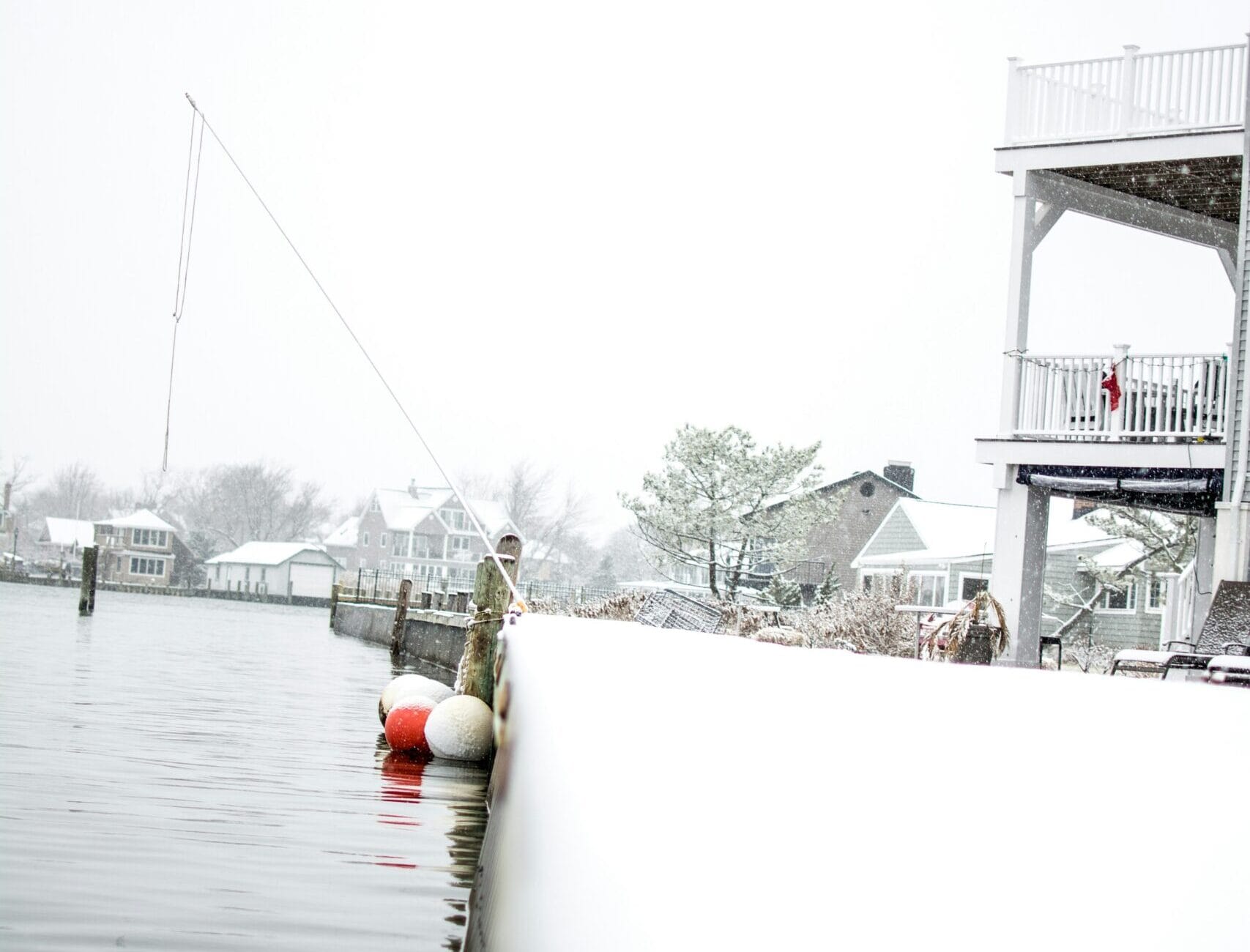
What is Lake Effect Snow?
Lake effect snow is a meteorological phenomenon that occurs when cold air moves over a warmer body of water, such as a lake. This process is particularly prominent in regions adjacent to large lakes, with the Great Lakes being the most notable examples. The interaction between the warm, moist air from the lake and the frigid air masses leads to enhanced precipitation, commonly resulting in significant snowfall, primarily in winter months.
The science behind lake effect snow involves several key principles. Firstly, when the cold air flows over the warmer lake water, it absorbs moisture and heat. This increase in moisture content is crucial as it transforms the air into a heavier, laden substance. As this moist air continues to travel over the expanse of the lake, it starts to rise. The rising air subsequently cools, condensation occurs, and clouds begin to form. This is where the distinct features of lake effect snow emerge — as the clouds develop, they can result in concentrated bands of snow that can produce hefty accumulations in localized areas.
Geographical conditions play a vital role in the intensity and distribution of lake effect snow. Regions situated downwind of large lakes, especially those with geographical features such as hills and valleys, are particularly susceptible to this weather phenomenon. The orographic lift caused by these geographical features can amplify snowfall, leading to significant snow events that may not extend far from the lake. This localized nature of lake effect snow often results in dramatic contrasts in weather conditions, with areas just a few miles apart experiencing notably different amounts of snowfall.
Weather Conditions and Forecasting
Lake effect snow is a meteorological phenomenon occurring primarily in the Great Lakes region during winter months. Understanding the specific weather conditions that lead to lake effect snow warnings is crucial for accurate forecasting and public safety. This event typically arises when cold air moves over relatively warmer lake waters, resulting in significant temperature differentials. The disparity between the chilly air and the warmer surface of the lake promotes the evaporation of moisture, which is a key component in the development of snow showers.
The wind direction plays a pivotal role in the formation of lake effect snow. When winds blow across the lakes, they gather moisture, increasing the potential for snow accumulation in downwind areas. This implies that the strength and direction of prevailing winds must be closely monitored to predict the likelihood of lake effect snow events accurately. For instance, if strong winds originate from the northwest, regions to the southeast of the lakes become more susceptible to heavy snowfall.
Moisture availability is another critical factor influencing lake effect snow. Warmer lake temperatures can enhance evaporation rates, thereby increasing humidity levels in the air. Once this moist air moves inland and encounters colder air masses, it cools rapidly, leading to the condensation of water vapor and the eventual formation of snow. Meteorologists utilize various tools and technologies to improve the accuracy of forecasting lake effect snow. Doppler radar, satellite imagery, and numerical weather prediction models are among the essential resources employed to track and predict the development of these snow events.
Accurate forecasting of lake effect snow is paramount, as these conditions can lead to hazardous travel and significant disruptions. Understanding the underlying meteorological patterns associated with lake effect snow, such as temperature differentials, wind direction, and moisture availability, enhances the ability to provide timely and effective warnings.
Impacts of Lake Effect Snow
Lake effect snow significantly influences both the environment and human activities, particularly in regions adjoining large bodies of water. This meteorological phenomenon occurs when cold air moves over warmer lake waters, resulting in increased atmospheric moisture and subsequent snowfall. The unique conditions that lead to lake effect snow can create substantial challenges for transportation and daily life in affected areas.
One of the most immediate impacts of lake effect snow is its influence on transportation. Roads can become treacherous during intense snowfall events, causing hazardous driving conditions. These snowstorms often lead to road closures, traffic delays, and an increased risk of accidents. Commuters and commercial transport are frequently disrupted, creating a ripple effect throughout local economies. Moreover, public transportation systems can struggle to maintain schedules during heavy snow, further exacerbating mobility issues for residents.
Infrastructure, including power lines and bridges, is also susceptible to the burdens imposed by lake effect snow. Accumulation can lead to structural damage, necessitating repairs that can be both time-consuming and costly. Emergency services may find it challenging to respond to incidents due to obstructed access routes or dangerous travel conditions. The need for constant snow removal efforts puts a strain on local resources and budgets.
Besides logistical challenges, lake effect snow has notable economic implications for local communities. Industries reliant on consistent weather patterns, such as agriculture and tourism, may find their operations affected. For example, unseasonably heavy snowfall can hinder outdoor recreational activities, impacting local businesses that depend on winter tourism. Conversely, some communities may benefit from increased snowfall, as it can attract tourists seeking winter sports, ultimately providing a boost to local economies.
Understanding the multifaceted impacts of lake effect snow is essential for communities to develop effective strategies that minimize disruption and harness potential benefits.
Safety Tips and Preparedness
Lake effect snow can create challenging conditions that require careful preparation and awareness. To ensure safety for individuals and communities anticipating lake effect snow, it is imperative to follow practical safety tips and preparedness measures. Understanding how to prepare your home and vehicle is the first step in reducing risks associated with heavy snowfall.
Homeowners should take proactive steps in maintaining their properties during winter months. This includes clearing gutters to prevent ice build-up, insulating pipes to avoid freezing, and having adequate supplies of ice melt and shovels readily available. It is also beneficial to keep a stock of food, water, and crucial medications, as inclement weather can often lead to road closures and limited access to essential services. Regularly checking altitudes and local weather updates will aid in anticipating when lake effect snow conditions may arise.
Vehicle preparedness is equally important. Drivers should ensure their vehicles are winter-ready, which entails checking tire tread depth, oil fluid levels, and ensuring that the heater and defrosters are functioning efficiently. Keeping an emergency kit in the vehicle is essential; this should include essential items such as blankets, non-perishable food, water, a flashlight, a first aid kit, and jumper cables. Investing in a good snow shovel and ice scraper can prove invaluable for unexpected winter conditions.
In terms of navigating snowy conditions, it is crucial to adjust your driving habits. Slow down and increase following distances, as visibility can decrease significantly during lake effect snow events. Always remain aware of your surroundings and remain vigilant for sudden weather changes. In cases where travel is unnecessary, it is advisable to remain indoors until conditions improve.
By adhering to these safety tips and preparedness measures, individuals and communities can effectively mitigate the risks associated with lake effect snow and enhance their overall winter safety. Consistent awareness and readiness can significantly impact survival and well-being during extreme winter weather events.