
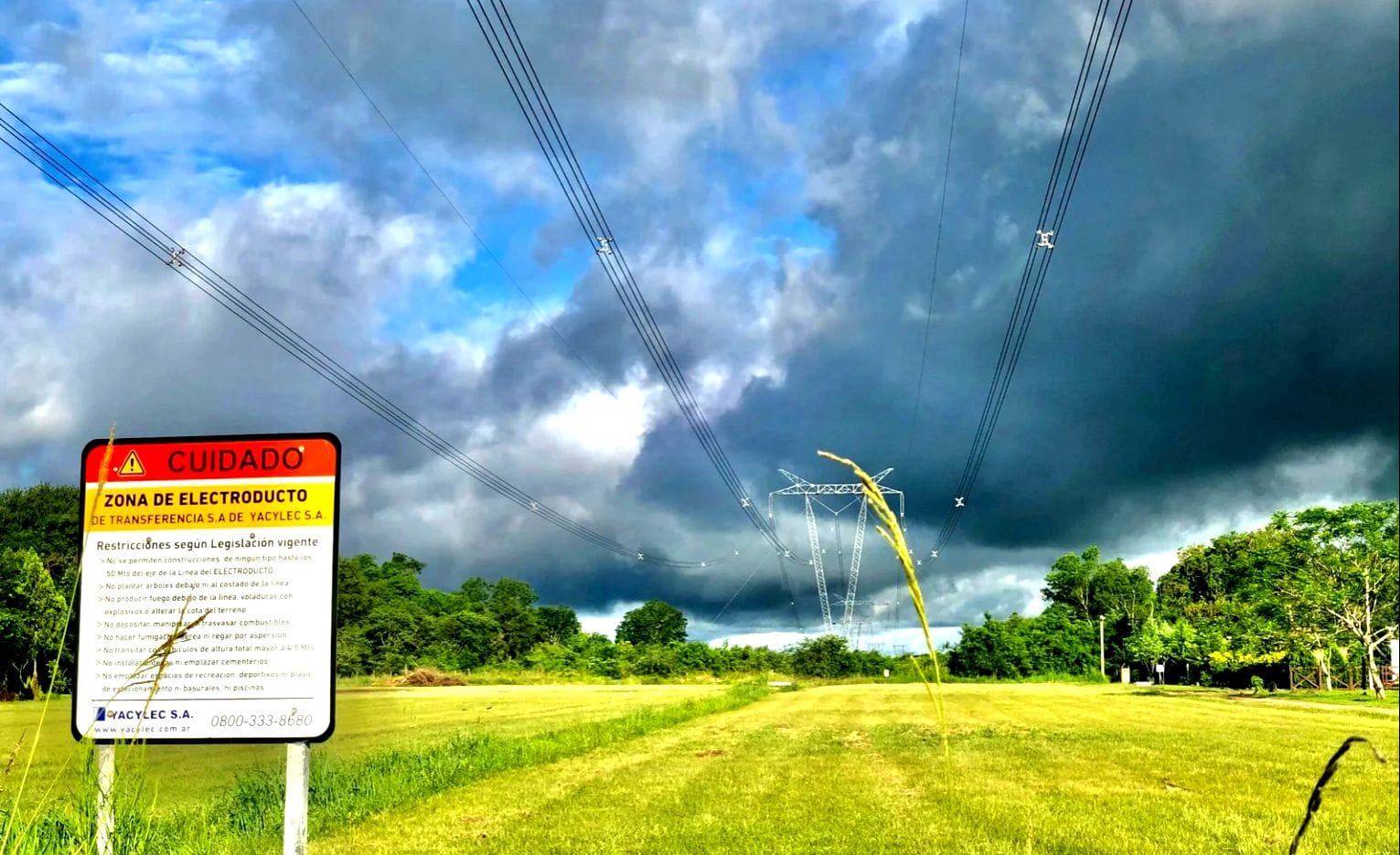
What is a Severe Thunderstorm Warning?
A severe thunderstorm warning is a crucial alert issued by meteorologists to inform the public about the imminent threat of severe weather conditions. This warning is typically issued when a thunderstorm is producing or is expected to produce hazardous weather phenomena, principally characterized by strong winds, large hail, and heavy rainfall. The criteria for issuing such a warning typically include the forecast of winds exceeding 58 miles per hour, hailstones larger than one inch in diameter, or any storm that indicates the potential development of tornadoes.
It is imperative to distinguish between a severe thunderstorm warning and a thunderstorm watch. A watch indicates that conditions are conducive to severe thunderstorms and serves as a precautionary measure, prompting individuals to stay informed and prepared. Conversely, a warning signifies that severe weather is occurring or is imminent in a specified area, demanding immediate action. Understanding this difference is vital for effectively responding to weather alerts.
Key indicators that meteorologists monitor when assessing the potential for severe thunderstorms include atmospheric instability, wind shear, and moisture levels. A combination of these factors can create an environment conducive to powerful thunderstorms. When these storms develop, meteorologists utilize Doppler radar and other meteorological tools to track their intensity and potential dangers. The results of this monitoring can lead to the issuing of a severe thunderstorm warning, thus enabling communities to take protective actions. Awareness of these indicators and the criteria for severe thunderstorm warnings is essential for public safety, ensuring individuals can respond swiftly to protect themselves and their families from severe weather hazards.
The Importance of Heeding Warnings
Severe thunderstorms pose serious risks to both life and property, making it critical to heed official warnings issued by meteorological authorities. These warnings serve as vital alerts that inform communities about impending severe weather, which may include high winds, heavy rainfall, hail, and even tornadoes. When a severe thunderstorm watch or warning is issued, individuals must take the possibility of severe weather seriously.
The potential dangers associated with severe thunderstorms are significant. High winds can lead to extensive property damage, uprooting trees, damaging roofs, and causing power outages. According to the National Weather Service, thousands of injuries and millions of dollars in damages occur annually as a direct result of severe thunderstorms. Furthermore, personal injury is a considerable risk when individuals are caught outdoors during a storm. Lightning strikes, falling debris, and flash floods are amongst the most common causes of injury during these weather events.
In addition to the immediate dangers posed by severe thunderstorms, they can disrupt essential services, such as electricity, water supply, and transportation systems. Disruption to public services can hinder rescue operations and delay recovery efforts after a storm has passed. Preparation becomes essential in these situations, akin to setting precautionary measures in place to mitigate risks associated with severe weather. Emergency kits, safe rooms, and knowledge of local shelters are just a few examples of how communities and individuals can proactively respond to severe storm warnings.
Statistical data highlights the prevalence of thunderstorms and their impact. The National Oceanic and Atmospheric Administration (NOAA) reports that over 100,000 thunderstorms occur in the United States each year, with a significant proportion being classified as severe. Awareness of these statistics underlines the importance of being prepared for such extreme weather events. Taking warnings seriously and acting immediately can not only save lives but also protect property and ensure community well-being.
How to Prepare for Severe Thunderstorm Warnings
Preparing for severe thunderstorm warnings is a crucial aspect of ensuring your safety and minimizing property damage. One of the first steps in preparing is to create a comprehensive family emergency plan. This plan should outline how your family will communicate during and after a severe storm, as well as specify where you will gather if evacuation becomes necessary. Regularly review and practice this plan with all family members to ensure everyone knows their role in case of an emergency.
In addition to establishing a family communication strategy, assembling an emergency kit is vital. This kit should contain essential supplies such as water, non-perishable food, flashlights, batteries, a first-aid kit, and any necessary medications. Keep this kit in a readily accessible location and check its contents periodically to ensure items are still viable and up to date. The goal is to prepare for a potential power outage or disruption of services which often accompany severe thunderstorms.
Staying informed is another critical component of preparation. Utilize reliable weather sources to receive timely updates on impending severe weather conditions. Consider installing weather notification apps on your smartphone that can provide real-time alerts, ensuring you remain aware of any changes in the forecast. In extreme cases, having a battery-operated weather radio can prove invaluable when other communication methods fail.
Securing your property in advance is equally important. This involves removing or securing outdoor items that high winds could turn into dangerous projectiles. If you have time, reinforce windows and doors to withstand potential damage. Lastly, identify a safe shelter in your home, such as a basement or an interior room on the lowest floor, to use during a severe thunderstorm. Creating a proactive approach in preparing for severe thunderstorm warnings can greatly enhance your safety and peace of mind.
What to Do During and After a Severe Thunderstorm Warning
When a severe thunderstorm warning is issued, it is crucial to take immediate action to ensure your safety and the safety of those around you. The first step is to seek shelter. Ideally, you should move to a sturdy building, preferably one that does not have windows. If you are in a mobile home or any structure that may not withstand high winds or hail, you should seek refuge in a more durable structure.
During the storm, it is advisable to stay indoors and away from windows. Severe thunderstorms can produce strong winds, heavy rainfall, and even hail, which can cause injury and damage. If possible, find a place in your home that is located in the center, such as a basement or a hallway, as these areas are less likely to sustain damage. Additionally, avoid using electrical appliances and stay away from water; lightning can strike during a storm, and the risk is heightened when wet.
Once the severe thunderstorm has passed, it is important to proceed with caution. First, carefully assess any damage to your property and surroundings, but do not put yourself at risk. Look for downed power lines, debris, and other hazards. Stay tuned to local weather updates as additional storms may follow. Check in with family, friends, and neighbors to ensure everyone is safe and offer assistance if possible. It is essential to report any severe damage to local authorities who may coordinate recovery efforts.
In conclusion, your safety during and after a severe thunderstorm warning should always be a priority. By taking the appropriate actions and remaining vigilant, you can significantly minimize risk and help maintain a safe environment for everyone in your community.