
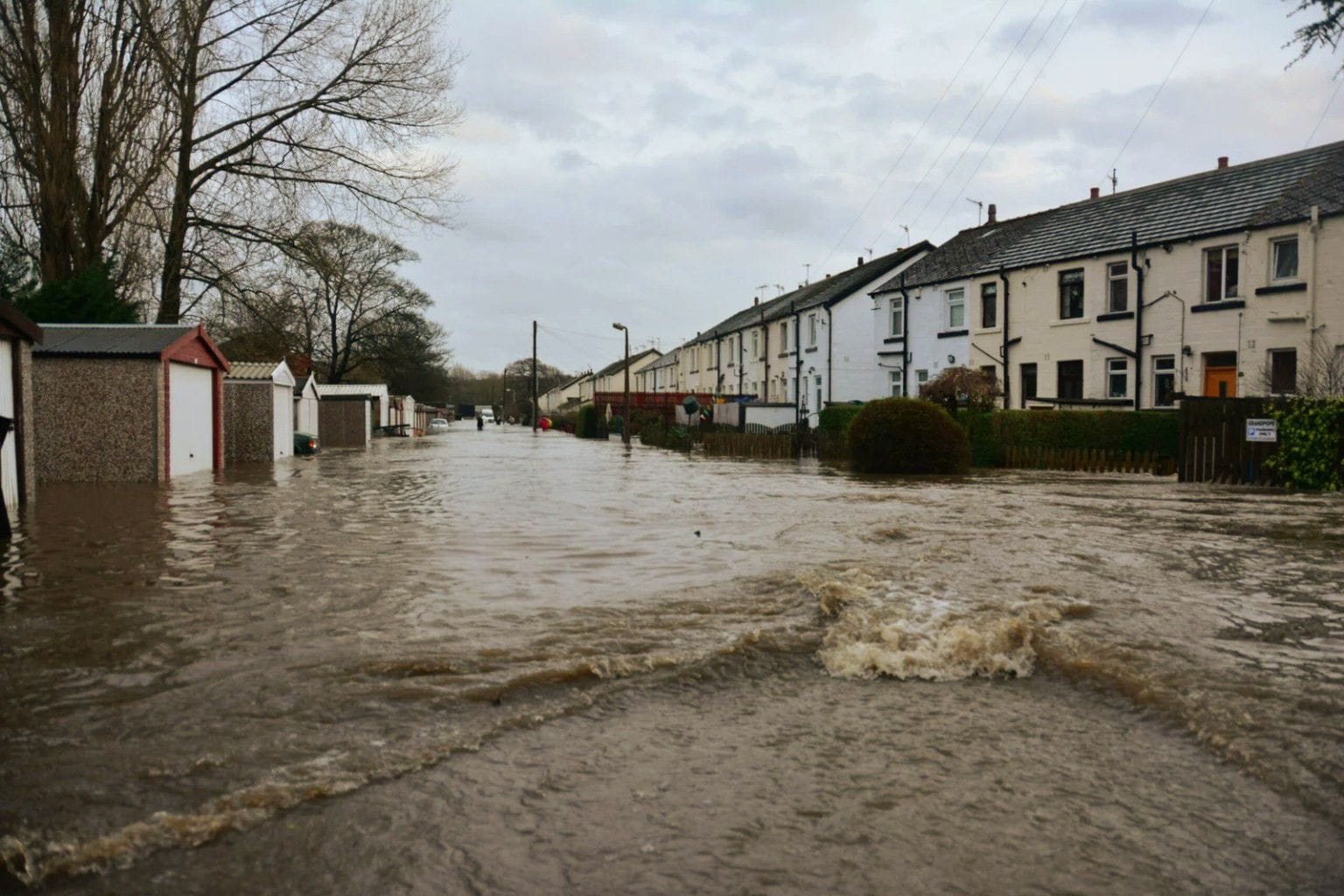
The Causes of Flooding in Southern King County
Southern King County experiences flooding due to a combination of natural and human-induced factors. The region’s geographical characteristics play a vital role in its susceptibility to water inundation. The presence of significant river systems, notably the Green River and its tributaries, contributes to the area’s flood dynamics. These rivers are prone to rising water levels during heavy precipitation, leading to overflow into adjacent areas. Furthermore, Southern King County’s topography, featuring valleys and low-lying areas, exacerbates the likelihood of flooding as water collects in these depressions.
Rainfall patterns, often characterized by intense storms and prolonged wet seasons, significantly increase the risk of flooding. Historical data indicates that Southern King County has experienced notable flooding events, most dramatically in the winters of 1990 and 2006, when heavy rains caused widespread damage. The frequency and severity of these occurrences can be linked to changing climate patterns, which result in more extreme weather events. The data from the National Weather Service underscores the rise in precipitation levels, with some areas receiving over 30 inches of rain annually, heightening flood risks.
Human activities also contribute to the flooding challenges in the region. Urban development has led to alterations in land use, reducing natural absorption through deforestation and increased impervious surfaces such as roads and buildings. This creates a greater volume of surface runoff, which overwhelms local drainage systems and significantly impacts water flow in rivers. Additionally, poor land management practices hinder the natural replenishment of wetlands, which otherwise act as buffers during heavy rainfall events. Collectively, these factors have made Southern King County particularly vulnerable to flooding, underlining the need for effective flood management strategies to mitigate future risks.
Impact of the Floods on the Community
The floods in Southern King County have had profound and multifaceted effects on the community, influencing both the physical and emotional landscape of the area. One of the most immediate consequences of flooding is property damage, where homes, schools, and essential infrastructure are often inundated. Reports indicate that thousands of residents face extensive losses, with statistics showing that many households experience severe damage, often leading to displacement. This disruption not only affects the daily lives of families but also leaves lasting scars on the community fabric.
The economic implications of such floods are equally significant. Local businesses, ranging from small shops to larger enterprises, bear the brunt of property loss and interrupted operations. Disruptions in commerce can lead to reduced sales, potential closures, and long-term economic decline in certain sectors. As local businesses struggle to recover, the broader economy of Southern King County also feels the strain, along with increased unemployment rates and loss of revenue for the local government. This creates a ripple effect, wherein the recovery effort becomes a protracted challenge, hindering the community’s ability to return to its pre-flood conditions.
Beyond the tangible losses associated with flooding, there are significant mental health impacts that need to be acknowledged. The trauma from experiencing such natural disasters can lead to anxiety, depression, and other psychological issues. Many residents report feeling overwhelmed by the loss and uncertain about their futures, which creates a need for comprehensive mental health resources. Community support networks have emerged to help navigate these challenges, but the path to mental and emotional recovery is often lengthy and complex.
In conjunction with survivor stories, statistical analyses provide a clearer picture of the impacts of flooding in the region. These narratives and data underscore the depth of suffering within the community and highlight the urgent need for effective mitigation strategies to protect the residents of Southern King County from future catastrophes.
Emergency Response and Recovery Strategies
The effectiveness of emergency response during flood events in Southern King County hinges on a comprehensive understanding of evacuation plans, emergency shelters, and communication with residents. Local governments and emergency services employ structured protocols designed to minimize risks and coordinate operations effectively. Evacuation plans are developed in anticipation of flood risks, with designated routes and safe zones established to ensure residents can access shelter quickly and efficiently. By conducting regular drills and training scenarios, authorities can enhance the community’s responsiveness to flood alerts, ultimately saving lives and reducing property damage.
Emergency shelters play a crucial role in providing immediate refuge for those affected by flooding. Local agencies collaborate with organizations such as the American Red Cross to prepare these facilities. Key elements include provisions for adequate space, essential supplies, medical assistance, and information dissemination. During flood events, prompt activation of these shelters allows displaced individuals to access the support they need, fostering a sense of security amid chaos.
Communication stands as a pivotal aspect of flood management. Authorities utilize multiple channels, including social media, local radio, and automated alert systems to keep residents informed about impending floods and evacuation protocols. Ensuring clear, timely, and accurate information reaches the community can significantly influence public compliance during emergencies. After the floodwaters recede, recovery strategies come into play. State and federal aid programs work in tandem to provide monetary support for rebuilding efforts, which are vital for restoring homes and infrastructure.
Moreover, local community support programs are essential for helping residents regain normalcy post-flood. These programs may include counseling services, financial assistance, and volunteer initiatives aimed at rebuilding damaged properties. In summary, a multifaceted approach to emergency response and recovery contributes to a more resilient community capable of effectively addressing the challenges posed by flooding.
Mitigation Efforts for Future Flooding Events
In Southern King County, proactive mitigation efforts are essential to address the risks posed by flooding. Significant investments in infrastructure improvements are underway, focusing on key elements such as levees and enhanced drainage systems. These structural upgrades are designed to better manage stormwater and prevent overflow from existing waterways during heavy rainfall events. Levees are constructed to provide physical barriers against flooding, safeguarding residential areas and critical infrastructure from potential inundation.
Additionally, modernization of drainage systems plays a crucial role in flood mitigation. This includes incorporating advanced technologies to monitor water levels in real-time, facilitating quicker responses to rising waters. Regular maintenance of these systems is also vital to ensure they function correctly during emergencies. Such initiatives demonstrate the commitment of local authorities to reduce flood risks significantly.
Alongside infrastructure improvements, community-based initiatives are pivotal in building resilience against floods. Awareness programs aimed at educating residents about flood risks and preparedness measures have gained traction. These efforts encourage citizens to participate actively in community planning and response strategies. By fostering an informed populace, local governments can enhance the effectiveness of their flood response mechanisms.
Furthermore, the implications of climate change cannot be overlooked, as shifting weather patterns may lead to more frequent and severe flooding events in the future. Local policies are increasingly adapting to these challenges, incorporating climate resilience principles into urban planning. Strategies may include upgrading zoning laws to prevent development in high-risk flood areas and restoring natural habitats that absorb stormwater. Such comprehensive approaches illustrate the importance of a multifaceted response to flood management.
By addressing both infrastructure and community well-being, the Southern King County region positions itself to better withstand future flooding events. These mitigation efforts underscore a long-term commitment to protect the community while fostering resilience in the face of evolving environmental challenges.